
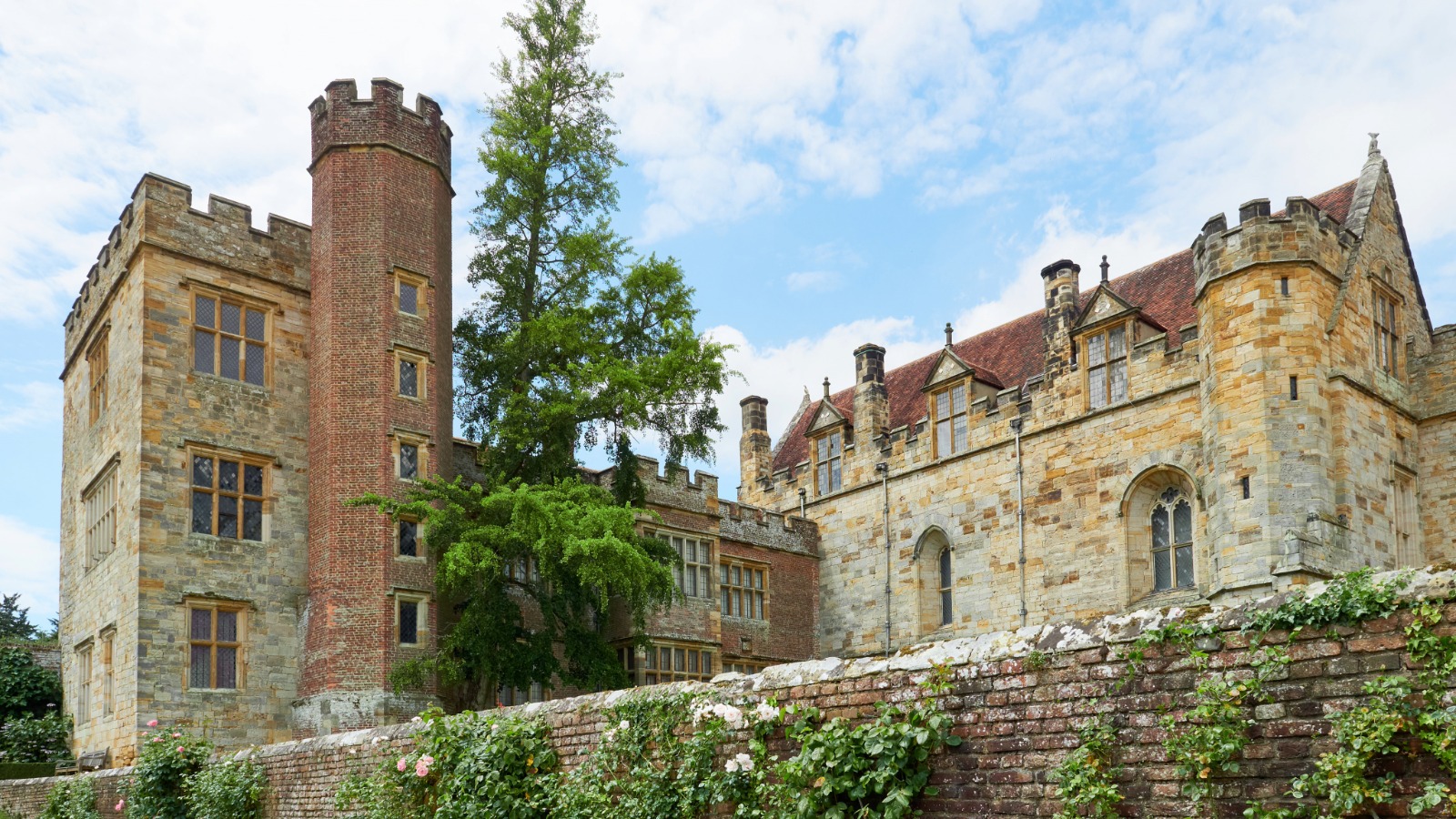
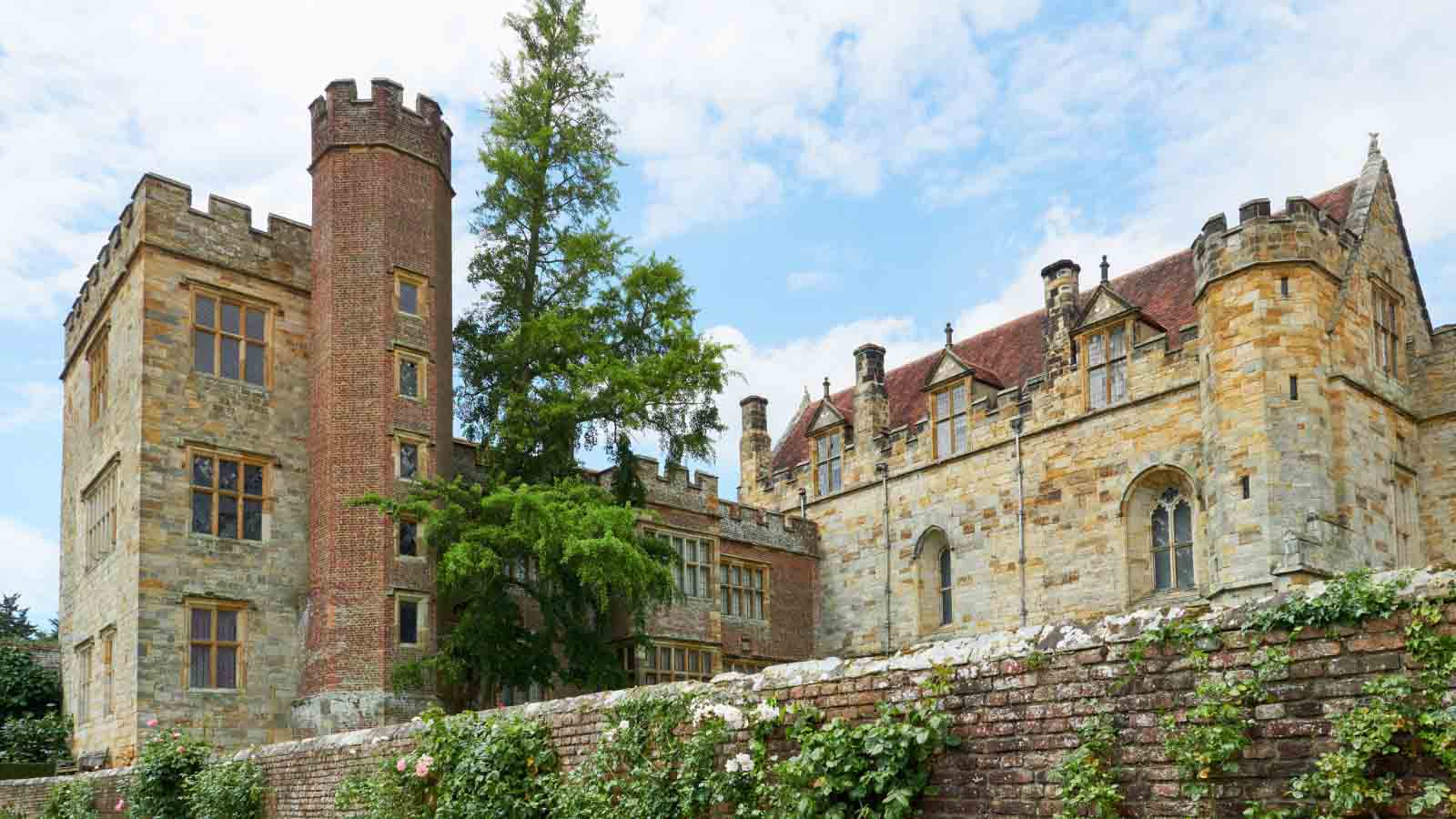
Standing above the River Medway in the heart of Tonbridge, Tonbridge Castle is one of Kent's most important surviving Norman and medieval sites. Its story spans Norman conquest, sieges, powerful noble families, royal politics and nearly one thousand years of English history.
Tonbridge Castle at a glance
| Feature | Key fact |
|---|---|
| Location | Castle Street, Tonbridge, Kent TN9 1BG |
| Origins | Founded after the Norman Conquest and documented by the late 11th century. |
| Founder | Associated with Richard FitzGilbert, supporter of William the Conqueror. |
| Castle type | Originally a timber motte-and-bailey castle, later rebuilt extensively in stone. |
| Motte | Approximately 20 metres high. |
| Defences | Curtain walls, shell keep and a substantial medieval gatehouse with flanking towers. |
| Historic family | The de Clares, one of medieval England's most influential noble families. |
| Today | Visitors can explore the gatehouse, medieval rooms, motte and castle grounds. |
The story of Tonbridge Castle
A Norman stronghold
Tonbridge occupied an important strategic position beside the River Medway and close to routes linking the south coast of England with London.
Soon after the Norman Conquest, a large motte-and-bailey fortress was established here. The earliest defences were largely constructed from earth and timber, allowing the Normans to establish control quickly.
The siege of 1088
The family of Richard FitzGilbert later became known as the de Clares and developed into one of medieval England's most powerful aristocratic dynasties.
During the rebellion against William II in 1088, royal forces besieged Tonbridge Castle. After two days the fortress fell to the king's army.
Rebuilding in stone
During later generations the early timber fortifications were progressively replaced by stone. Massive walls protected the bailey while a shell keep occupied the summit of the Norman motte.
The surviving medieval gatehouse became both a defensive structure and a powerful symbol of the wealth and authority of the castle's owners.
King John and the barons
Tonbridge became involved in the political struggles between King John and his barons in the early 13th century. During the conflict surrounding Magna Carta, the castle was attacked and seized by royal forces.
The great medieval rebuilding
In the 13th century Richard de Clare received royal permission to strengthen Tonbridge. The castle was extensively rebuilt and developed into an imposing fortified residence.
Tonbridge was not simply a fortress. It also served as an administrative centre, noble residence and symbol of aristocratic power.
Royal connections
Members of England's royal family visited Tonbridge. The future King Edward I and Eleanor were entertained here before their coronation.
Later ownership eventually brought the estate under royal control, including during the reign of Henry VIII.
Civil War and decline
During the English Civil War the castle was held by Parliamentarian interests. Following the conflict its military importance declined and portions of the medieval fortifications disappeared.
In later centuries stone from the ruins was reused for other construction projects around Tonbridge.
From fortress to public landmark
During the 18th and 19th centuries the site became associated increasingly with private residence rather than military defence.
By the beginning of the 20th century the castle had become a public landmark for Tonbridge and remains one of the town's most recognisable historic monuments.
Key dates in the history of Tonbridge Castle
| Date | What happened |
|---|---|
| After 1066 | A Norman motte-and-bailey castle is established following the Norman Conquest. |
| 1088 | Tonbridge Castle is besieged during rebellion against William II. |
| 1215 | The castle becomes involved in the conflict between King John and his barons. |
| 13th century | Extensive rebuilding creates much of the monumental stone fortress associated with Tonbridge today. |
| 1272 | The future Edward I and Eleanor are entertained at Tonbridge. |
| 16th century | The estate comes under royal control during the Tudor period. |
| 1640s | The castle is occupied during the English Civil War. |
| 18th–19th centuries | The site develops increasingly as a private estate rather than a military fortress. |
| 1900 | Tonbridge Castle enters a new era as an important public landmark. |
Fascinating facts & curiosities
- The Norman motte rises approximately 20 metres. It remains one of the most obvious surviving elements of the original castle.
- The early earthworks were enormous. Building a Norman motte required moving thousands of tonnes of earth without modern machinery.
- The gatehouse was designed to impress. Medieval castles were statements of wealth and authority as well as defensive structures.
- The River Medway was crucial. Tonbridge Castle's location allowed its owners to control an important river crossing and surrounding routes.
- Royal visitors stayed at Tonbridge. Its owners moved within the highest levels of medieval society.
- Parts of the ruined castle were recycled. Stone from parts of the fortress was reused in later construction projects.
The motte, bailey and relationship with the River Medway help explain why Tonbridge was such a strategically valuable location.
Mysteries & unanswered questions
Exactly when was the first castle built?
The earliest fortress almost certainly dates from the years following the Norman Conquest, but the exact construction date of the first timber castle remains uncertain.
What did the original wooden fortress look like?
Later stone rebuilding transformed the site. Archaeology can reveal parts of the earliest castle, but much of its original timber architecture disappeared centuries ago.
What remains beneath the bailey?
Archaeological remains of medieval structures may survive underneath areas that today appear simply as open ground. Part of Tonbridge Castle's history therefore remains hidden beneath the modern landscape.
How much fighting actually happened here?
Tonbridge experienced sieges and political conflict, but surviving historical sources do not describe every military episode in enough detail to reconstruct precisely what occurred inside the castle during each confrontation.
What can you see at Tonbridge Castle today?
- The imposing medieval gatehouse.
- Interior medieval spaces and defensive architecture.
- The large Norman motte.
- The historic bailey.
- Views towards Tonbridge and the River Medway.
- The relationship between the castle and Tonbridge's historic town centre.
Walking through history
Tonbridge is an excellent starting point for exploring the Kent countryside on foot. Within a short distance of the castle, urban history gives way to the River Medway, lakes, woodland and the landscapes surrounding the Eden Valley.
Exploring the area on foot makes its history easier to understand. The rivers, valleys and historic routes help explain why settlements, manor houses and defensive sites developed where they did.